Serengeti Great Migration Safari
Overview
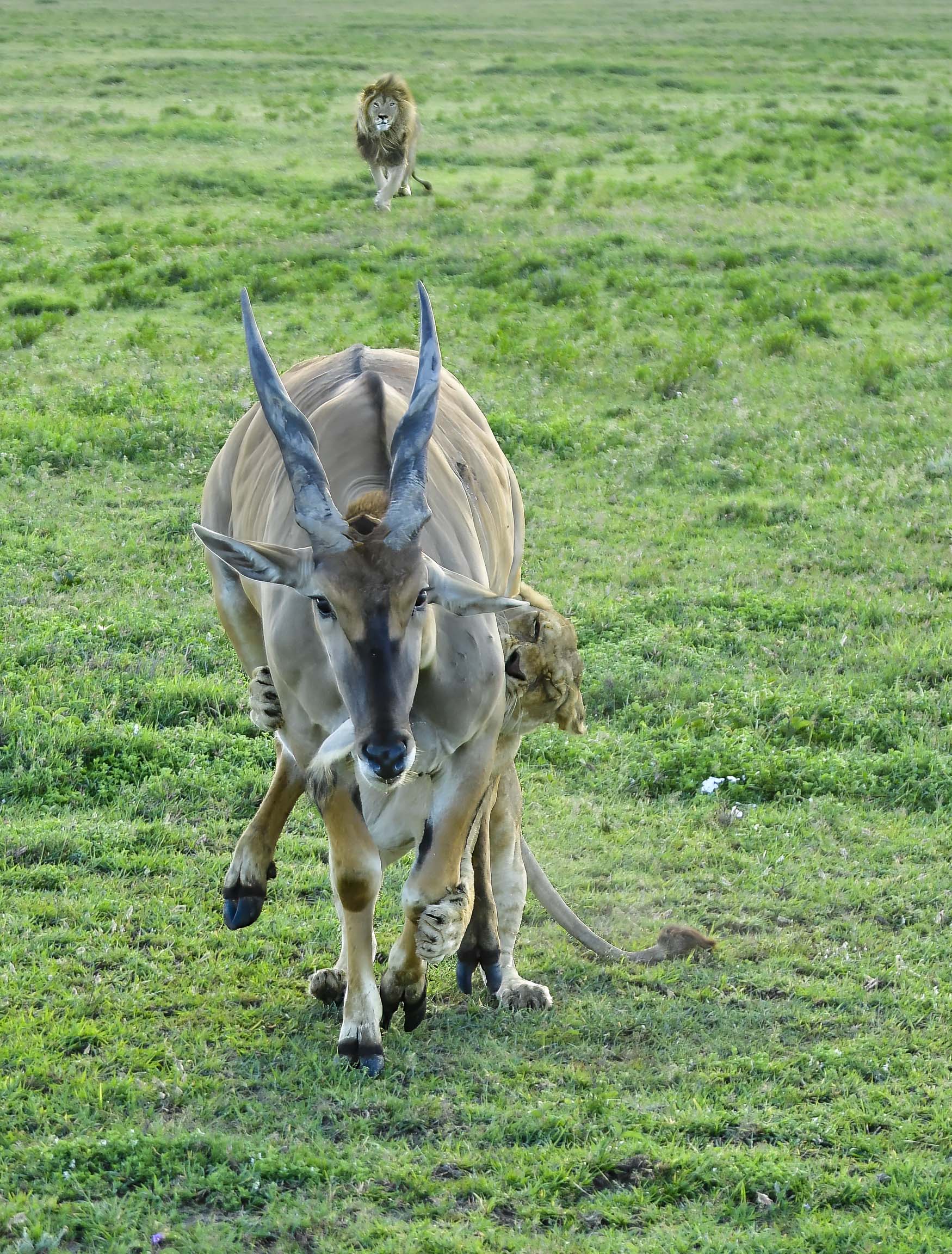
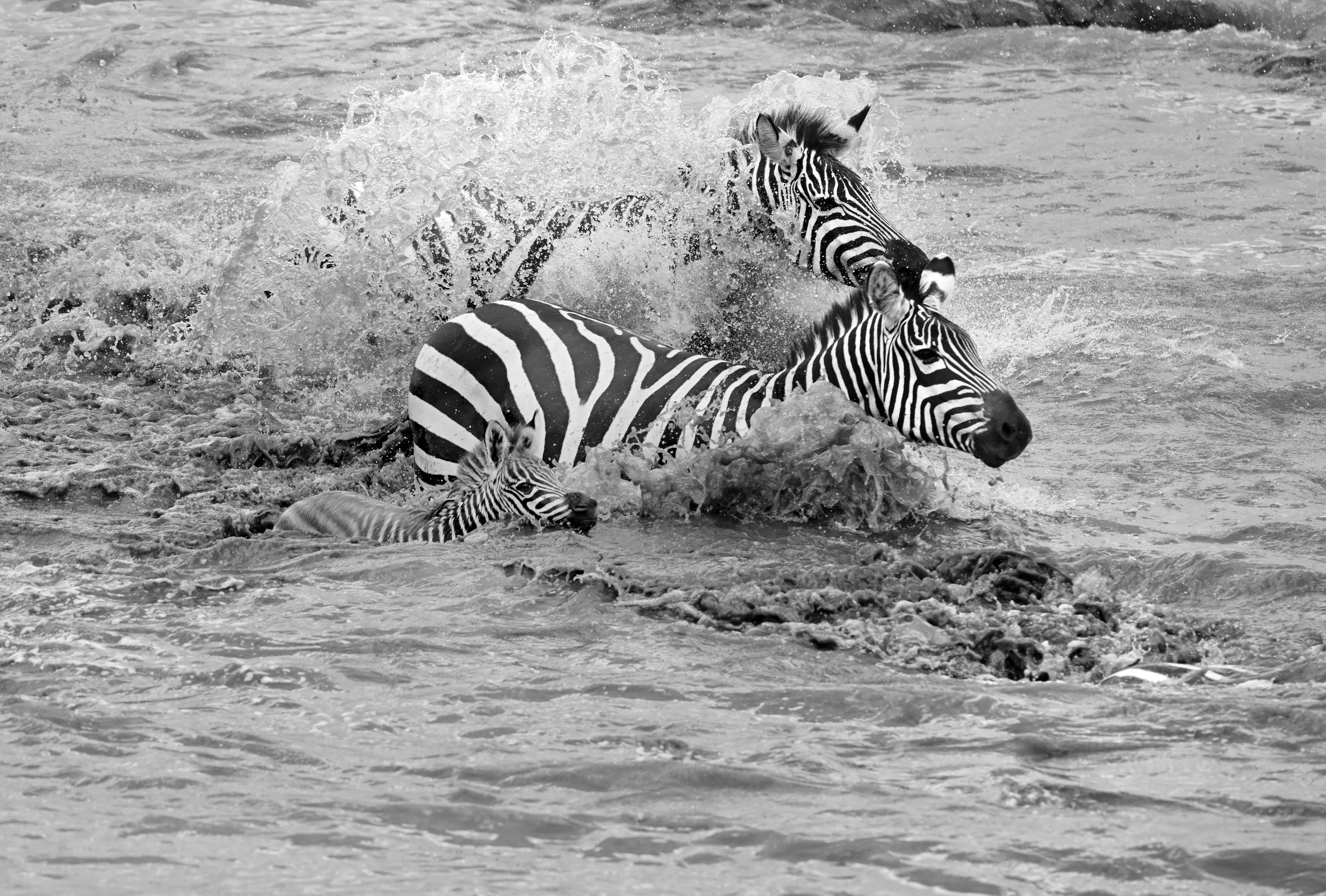
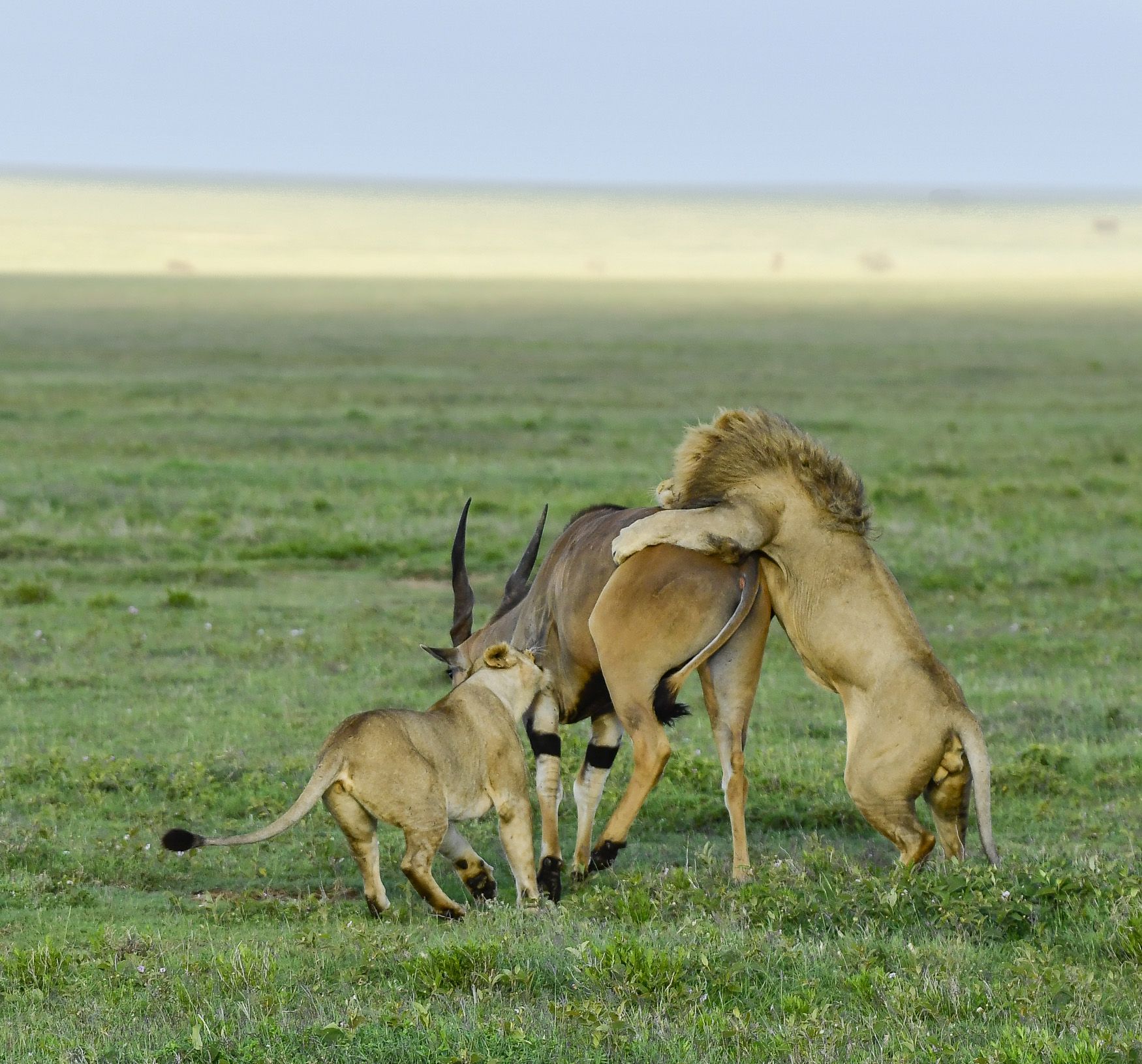
What is the Great Serengeti Migration - This is a movement of animals moving from one place to another looking for greener grass, water and breeding sites. The main animals of this Migration are Wildebeests and Zebras, which complete the whole circle of Migration accompanied by Cape Elands, Vultures, also Gazelles which don't finish the whole circle of Migration, since theirs ends in Central and Eastern Serengeti where they will wait for the Wilderbeests and Zebras in December to Migrate South with them. Despite many people beliefs the Migration is all year around, and they will be in different places of Serengeti in different times of the year depending on the rain patterns of the Serengeti ecosystem. The rains are the main driving force of the Migration and they may affect largely what may happen during their Migration. There are 2 main highlights of the Migration. The Mara River crossing in dry Season Northern Serengeti and Calving season in Wet season Southern Serengeti. (i) Mara River crossings during the Dry Season in the Northern Serengeti, late July-October. This is where you see hundreds, sometimes, thousands of Wilderbeests crossing the Mara river in the rush to get to the other side where they hope to find greener grass and more water, and Crocodiles are there to try their luck on catching them if they can. It's amazing, it's chaotic, it's their lives, which is incredible to see because nothing will stop the Wilderbeests to get to where they have smelt rains which means more grass and water opportunities. (ii) In the Wet Season the Migration heads South looking for breeding sites, and this is because the soils in Southern and Eastern Serengeti are the most fertile because of the volcanic ashes they got from Ngorongoro highlands during their formations. The grass in these Plains will give new moms the best milk to provide best lives beginning of their newborns. The calving season during the Wet season in Southern and Eastern Serengeti, December-March. This is the Season to see lots of babies, baby Zebras (December-January), baby Wilderbeests (February-March) and Baby Gazelles (December-March). About 500,000 baby Wilderbeests are born every year, 100,000 baby Zebras, 50,000 baby Gazelles every year too. This spectacle attracts a lot of predators and actions and that's why is a very interesting time to see the great Serengeti Migration in the vast Plains of Serengeti. Another interesting time of the Dry Season, is from June-July, Where The Great Serengeti Migration is in Western is in the Western Serengeti, herds in mass numbers and Big Cats and Crocodiles in Grumeti river which haven't seen them for while trying to hunt them.
Dry Season
(1 Night Arusha, 2 Nights Tarangire, 1 Night Ngorongoro Crater, 2 Nights Eastern Serengeti, 5 Nights Northern Serengeti)
Arrival in Arusha for 1 night.
Drive to the Tarangire National Park for 2 Nights.
Full Day in Tarangire.
Drive to Ngorongoro Crater Rim for one Night.
Morning in the Crater then after Lunch Drive to Eastern Serengeti for 2 Nights
Full Day in Eastern Serengeti.
Drive to Northern Serengeti for 5 Nights.
Full Day in Northern Serengeti.
Full Day in Northern Serengeti.
Full Day in Northern Serengeti.
Full Day in Northern Serengeti
Breakfast at the camp a slow GaMe Drive to the Airport then Fly out.
Destination
Top Destinations
Serengeti
Ngorongoro Crater
Lake Manyara
Tarangire
Reasons You should choose Eagle Eye Expeditions
- We have amazing English-Speaking guides who will make your safari
- All our clients arrive as guests and leave as friends that want to come back, they also advise their friends to go on a Safari with us
- We have guided all sorts of guests from families, couples, groups, to photographers
- We have comfortable cars perfectly designed to provide you with an Expedition to remember. They are also designed well for photographers
- It is a licensed Tour Company with offices in Arusha Tanzania